Friends, Colleagues and Laboratory Heroes
Teaching pathology, passing it on
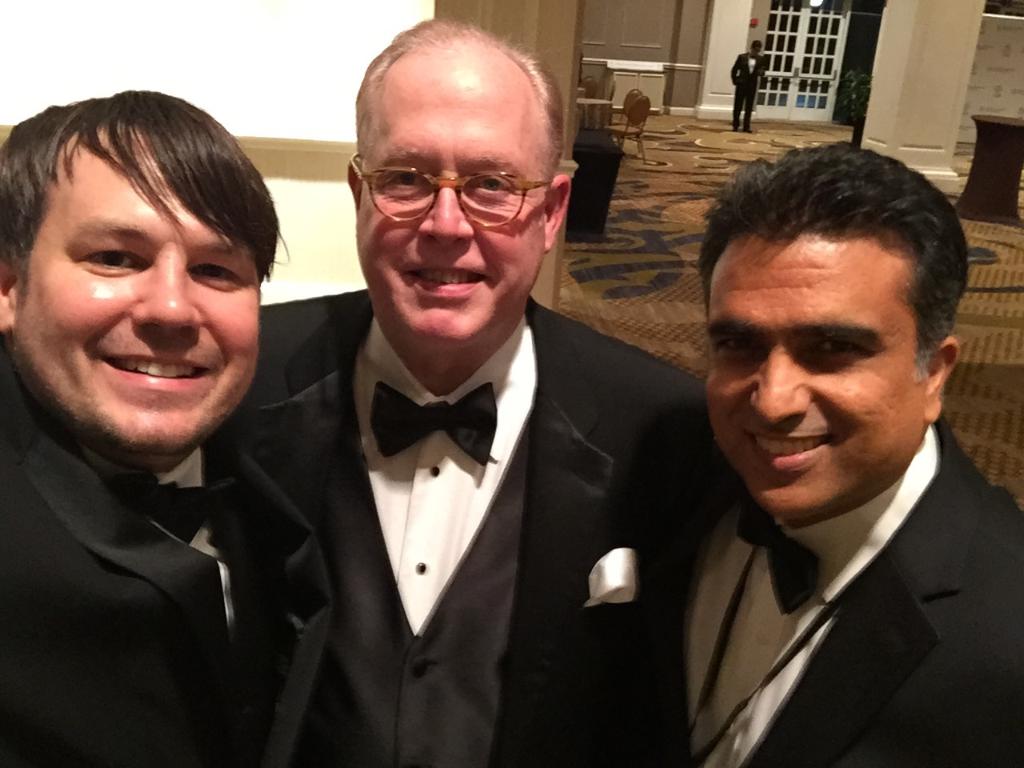
Dr. Thomas M. Wheeler, MD, FCAP, and Dr. Jerad M. Gardner, MD, FCAP
A diagnosis may carry one pathologist's name. The knowledge behind it comes from many people who took the time to teach.
This double feature recognizes two colleagues who have helped pass that knowledge on. Their paths and teaching styles are different. The purpose is the same: help the next pathologist see the slide more clearly, so the patient gets a more accurate answer.
Dr. Wheeler: teaching that strengthens the diagnosis
Dr. Wheeler is a former chair of pathology and immunology at Baylor College of Medicine. He has worked extensively in prostate and other genitourinary pathology.
In 2014, the College of American Pathologists gave him its Distinguished Patient Care award. CAP TODAY's announcement of the honorees credits him as a communicator, educator and leader in the pathology of prostate and other genitourinary cancers. It singles out his work leading the development of, and directing, the CAP Prostate Advanced Practical Pathology Program.
That detail matters. Teaching other pathologists how to interpret difficult findings is part of patient care, too. A well-taught pathologist makes a better call on the next biopsy.
Baylor has a long connection with Dr. Wheeler. In a 2018 Baylor interview, he describes growing up in Houston, training at Baylor, joining its faculty and later serving as chair. He called being a faculty member and chair "the greatest privilege and honor of my professional life." He also describes creating the Wheeler Endowment so that people with a deep connection to the school can leave something behind that carries on their values.
Dr. Gardner: opening the microscope classroom
Dr. Gardner is a dermatopathologist and section head of soft tissue and bone pathology at Geisinger. His Geisinger profile lists him as board certified in anatomic and clinical pathology and in dermatopathology. He is on the faculty of the Geisinger Dermatopathology Fellowship and Pathology Residency Programs, and serves as Deputy Editor-in-Chief of Archives of Pathology & Laboratory Medicine.
He has taken the teaching he does at the microscope and shared it online, through videos, case discussions and communities, so anyone around the world can learn. UAMS reported in 2018 that his lectures and expertise were "reaching well beyond the confines most teachers educate within." He described social media as a way to teach, network, communicate and advocate for patients.
The same article describes two Facebook groups he started for rare cases in pathology, where pathologists share cases and ask for input, and his work pointing residents to the #pathboards hashtag for board study. His Geisinger profile also lists a paper on PathElective.com, a virtual pathology elective built as a model for new ways to teach.
The lesson still begins with a slide and careful explanation. What changes is who can join.
One shared purpose
Passing on knowledge and making room for the next learner. Behind each report is a patient. Behind each pathologist are people who helped them learn to see.
Dr. Mohan, MD, FCAP
#DoctorsDocMD #Pathology #PathologyEducation