Friends, Colleagues and Laboratory Heroes
Gene N. Herbek, MD, FCAP: friend, colleague and laboratory hero
I knew Dr. Herbek through the CAP Residents Forum and during my service on the New-in-Practice Committee. He was generous with his time and mentored residents and young pathologists. He was one of the most revered and excellent pathologists I have known, and one of my laboratory heroes.
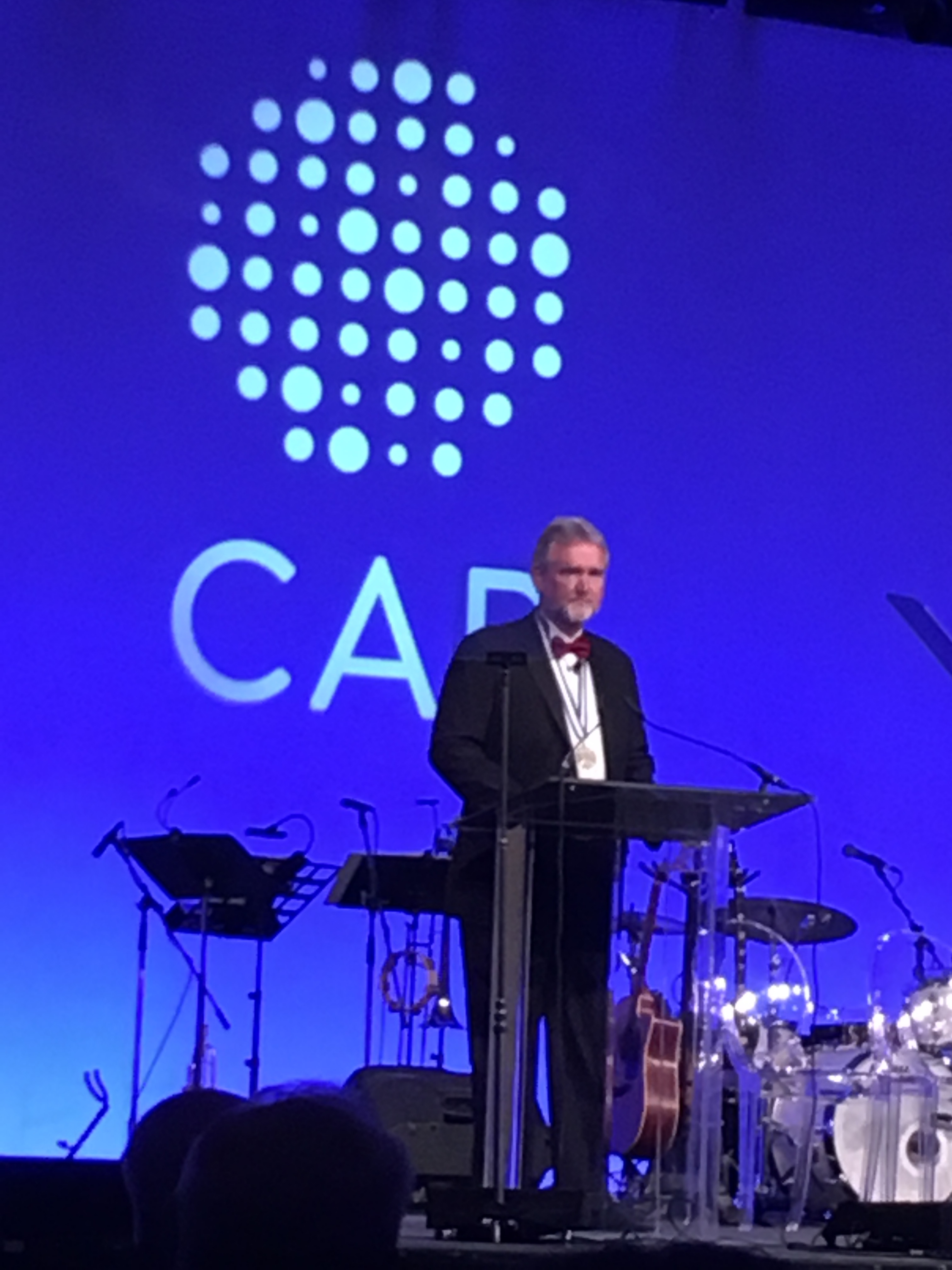
Dr. Herbek served as CAP president from 2013 to 2015. But the title tells only part of his story.
He was a practicing pathologist with broad skills in surgical pathology, cytology, hematology and blood banking. At Methodist in Omaha, he directed the Methodist Women's Hospital laboratory and transfusion services at Methodist Hospital. His colleagues remembered a physician whose guiding principle was "Patient care first."
Service in a moment of crisis
In 1989, United Flight 232 crashed near Sioux City, Iowa. Dr. Herbek was the coroner's pathologist who first responded. In fewer than five days, he and his colleagues directed the recovery of and performed autopsies on 111 bodies, according to CAP TODAY's obituary.
He spoke openly about the emotional cost. "I wasn't prepared for it," he told CAP TODAY after the crash. He described continuing the work while grief developed, and then going through a process of grief like the victims' families.
That was service of a kind most people never see: demanding medical work in the middle of a community's loss.
Helping patients see their pathologist
Dr. Herbek founded the CAP Foundation's See, Test & Treat program. Beginning at Standing Rock, it brought free breast and cervical cancer screening to people who faced barriers to care. He also invited patients to look at their samples through a microscope and ask questions.
In his first CAP TODAY column as president, he described showing a patient how her cancer had been diagnosed, from the accessioning table to the slides and microscope. Her response was simple: "You have a great story to tell."
He took that lesson seriously. As he wrote: "It is not enough that our patients receive the very best care from their pathologists. They have to know they are receiving it and how they are receiving it."
"Healing begins with an accurate cancer diagnosis."
Dr. Herbek wrote those exact words in Nebraska Medicine in Spring 2016. He was reflecting on international collaboration among pathologists, oncologists and surgeons, and the need for qualified pathology services where patients lacked access to them. Accurate diagnosis was the foundation for appropriate cancer treatment.
He understood that our work has to be both excellent and understood.
Building a profession that serves
His generosity extended to colleagues and the profession. CAP's remembrance describes service on more than 60 committees, subcommittees, commissions, boards and councils, with the interests of fellows and junior members in mind.
He helped build education as a distinct CAP activity. He took part in domestic and international laboratory inspections. In his own account of his presidency, he described traveling to laboratories, sharing educational opportunities and learning from pathologists around the world.
He also wrote about collaboration with oncology and surgery, including the importance of standardized cancer reports and reliable breast cancer biomarker testing. These were collective professional efforts he supported, not work any one person could claim alone.
A legacy that continues
The Humanitarian Award named for Dr. Herbek and his wife, Jean, was established in 2011 to honor pathologist leaders who advance See, Test & Treat.
CAP TODAY has also reported on a memorial fundraiser supporting See, Test & Treat and the MLS Student Program Fund honoring Drs. Jerry Schenken and Herbek. His legacy reaches patients and the next generation of laboratory professionals.
Dr. Herbek received CAP's Pathologist of the Year Award in 2016. The honor fits, but I remember the man as much as the record: generous with his time, committed to young pathologists, and serious about the people behind every diagnosis.
He died on June 4, 2020. As the CAP community gathers again, his example still matters: accurate diagnosis, service to colleagues and care that patients can see and understand.